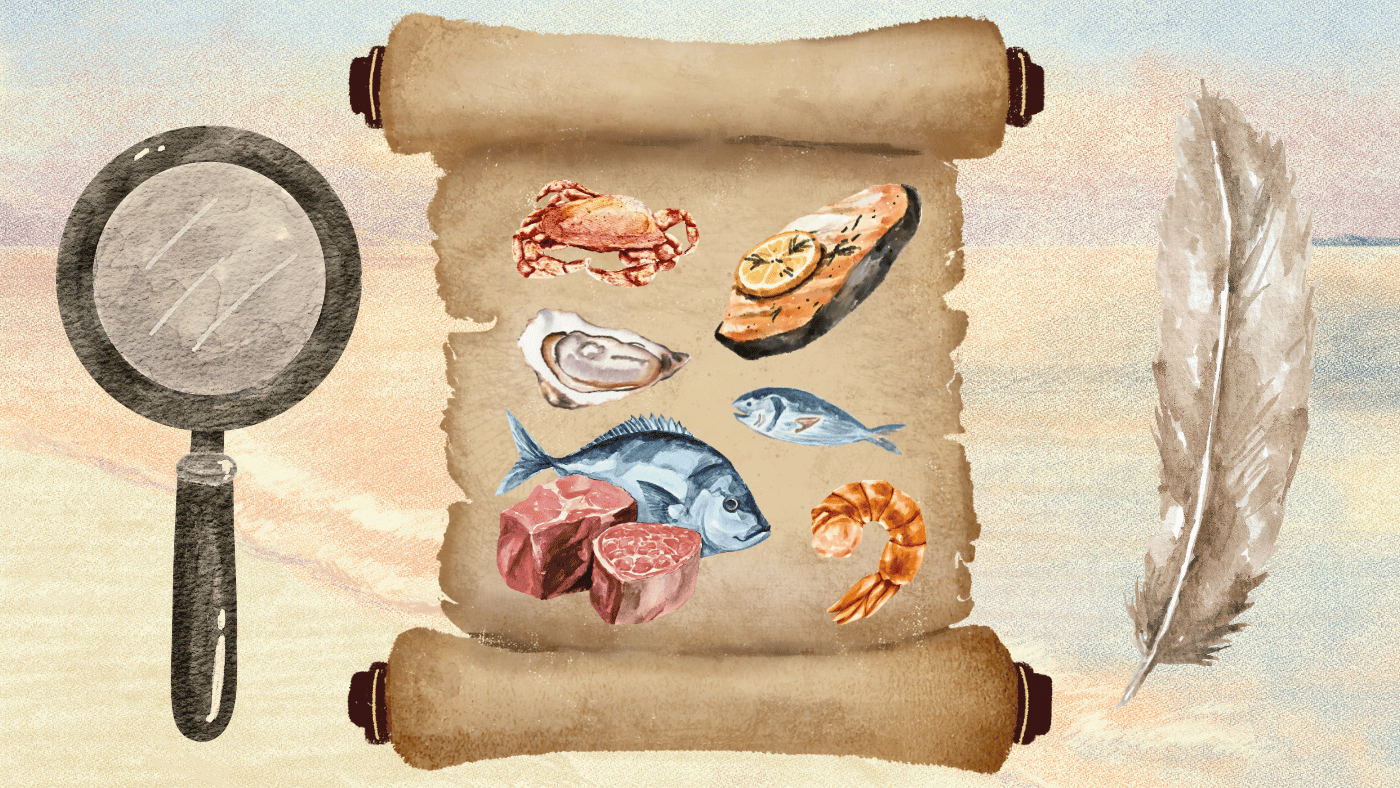
Seafood is one of the most ancient foods on the planet—yet somehow, it’s wrapped in more misinformation than almost any other ingredient. Ask ten people how to buy, cook, or season fish, and you’ll get ten wildly different answers, many of them rooted in outdated advice or old myths passed down from well-meaning relatives.
The truth? Seafood is simpler, fresher, and far more versatile than people think. And once you break through the myths, you open the door to easier, more delicious meals—especially when paired with bold flavors like the ones crafted by Merman’s Revenge.
Let’s debunk the biggest myths holding people back from cooking seafood with confidence, and highlight what you should be doing instead.
Myth #1: Fresh seafood should have no smell.
This one has been repeated for decades, and it’s only partially true.
Fresh seafood should have a smell—just not a bad one. A truly fresh piece of fish smells like the ocean: clean, briny, and slightly sweet. That “no smell at all” myth came from retailers who wanted to reassure nervous customers, but in practice it leads to confusion. Some people end up returning perfectly fresh fish simply because it smells like what it is… fish.
Here’s the real rule: if it smells like low tide on a hot day, pass. If it smells like sea breeze, buy without hesitation.
What to do instead:
Stick with stores that have high turnover or buy from local fishmongers. If in doubt, ask when the fish came in—good sellers are always transparent.
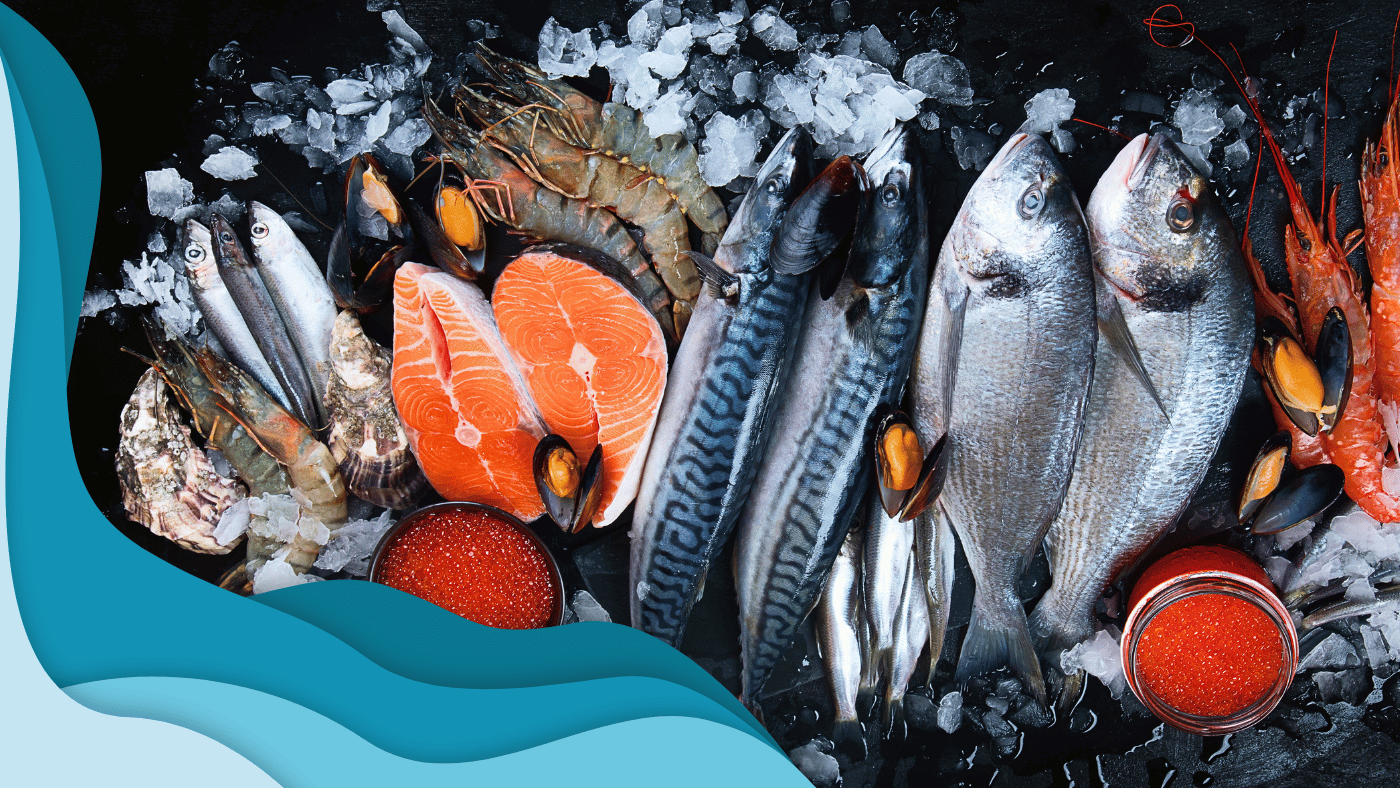
Myth #2: Frozen seafood is lower quality than fresh.
This myth is pure fiction.
Modern flash-freezing technology freezes fish within hours of being caught (usually on the boat, before even hitting the dock), locking in flavor at peak freshness. In fact, many “fresh” fillets at grocery stores were previously frozen and simply thawed for display.
The real variable isn’t fresh vs. frozen—it’s handling. A properly frozen fish can taste just as good, sometimes even better, than a piece that sat on ice for three days.
What to do instead:
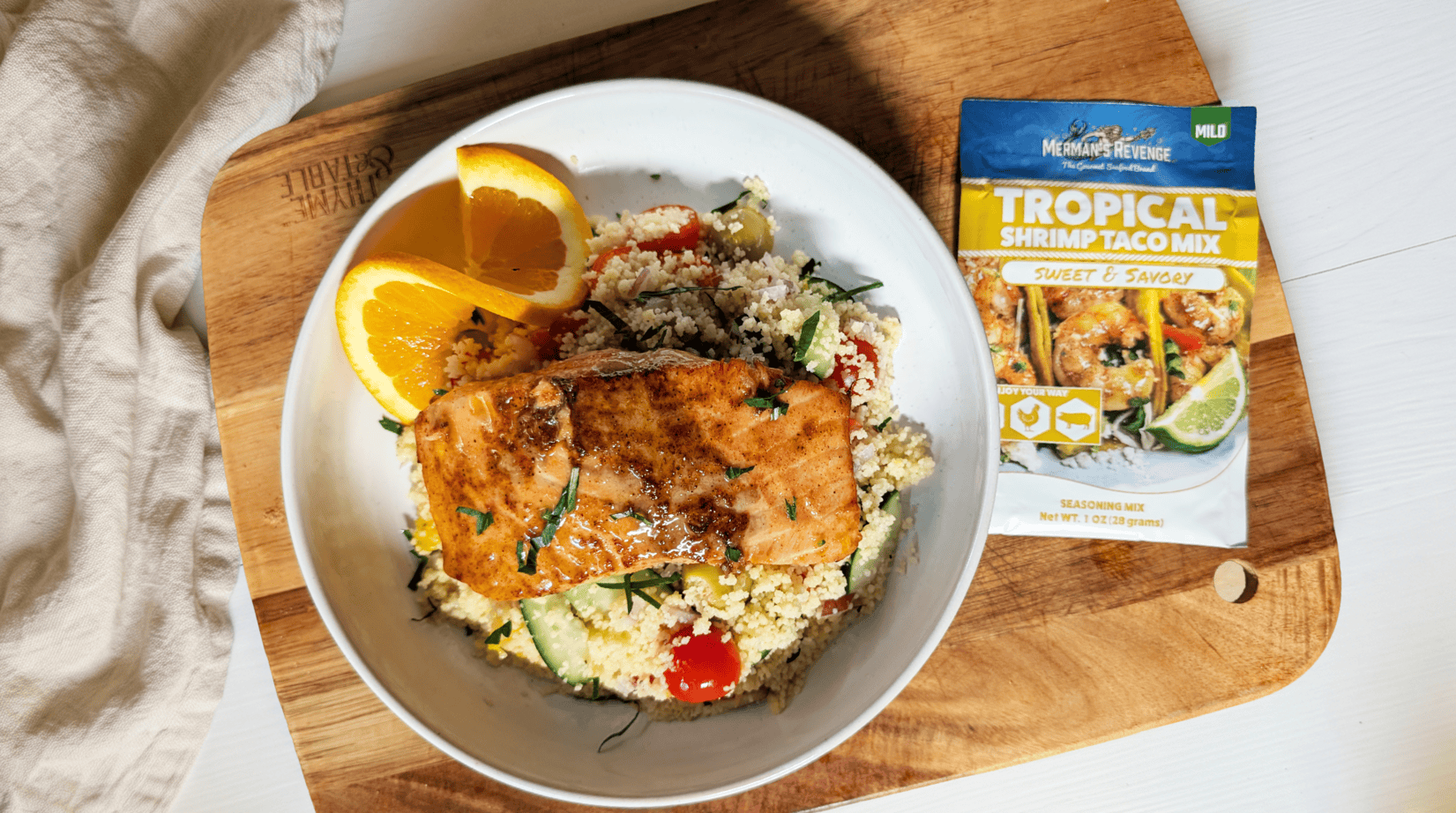
Frozen wild shrimp, delicious salmon portions, classic cod loins, scrumptious scallops—anything that was frozen at sea is a great choice. Keep a stash at home and you’ll always have a quick dinner ready for a tasty Merman’s Revenge seasoning or sauce.
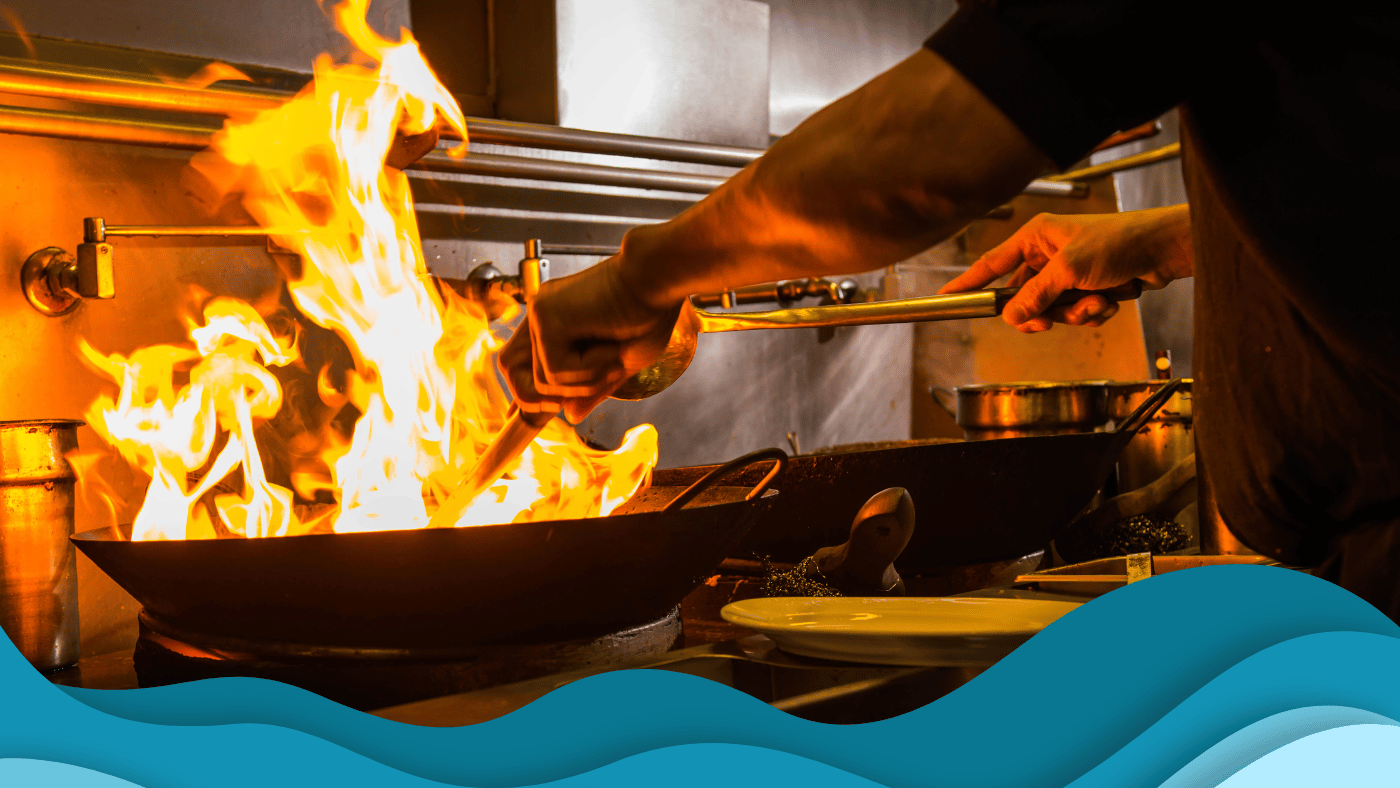
Myth #3: Seafood is hard to cook.
People say this because seafood cooks fast, not because it’s difficult.
Fish doesn’t need hours in the oven. It doesn’t need complicated technique. It doesn't even need fancy equipment. In fact, one of the biggest mistakes home cooks make is overcooking it—because they’re expecting it to behave like chicken or beef.
But seafood is forgiving if you season it boldly. A strong sauce or spice blend gives you a wide margin of error. You can broil, pan-sear, bake, or grill most fish in under ten minutes. Once you understand that you’re cooking to tenderness, not time, everything becomes easy.
What to do instead:
Start with simple species like salmon, cod, or shrimp. (Don’t worry, we have recipes for all of these!) Coat your fish with a Merman’s Revenge spice rub or glaze, cook for 6–10 minutes, and you’re done.
If you’re feeling nervous, we have a simple beginner’s tutorial for cooking fish that will help you get started and build up your seafood chef-ing confidence!
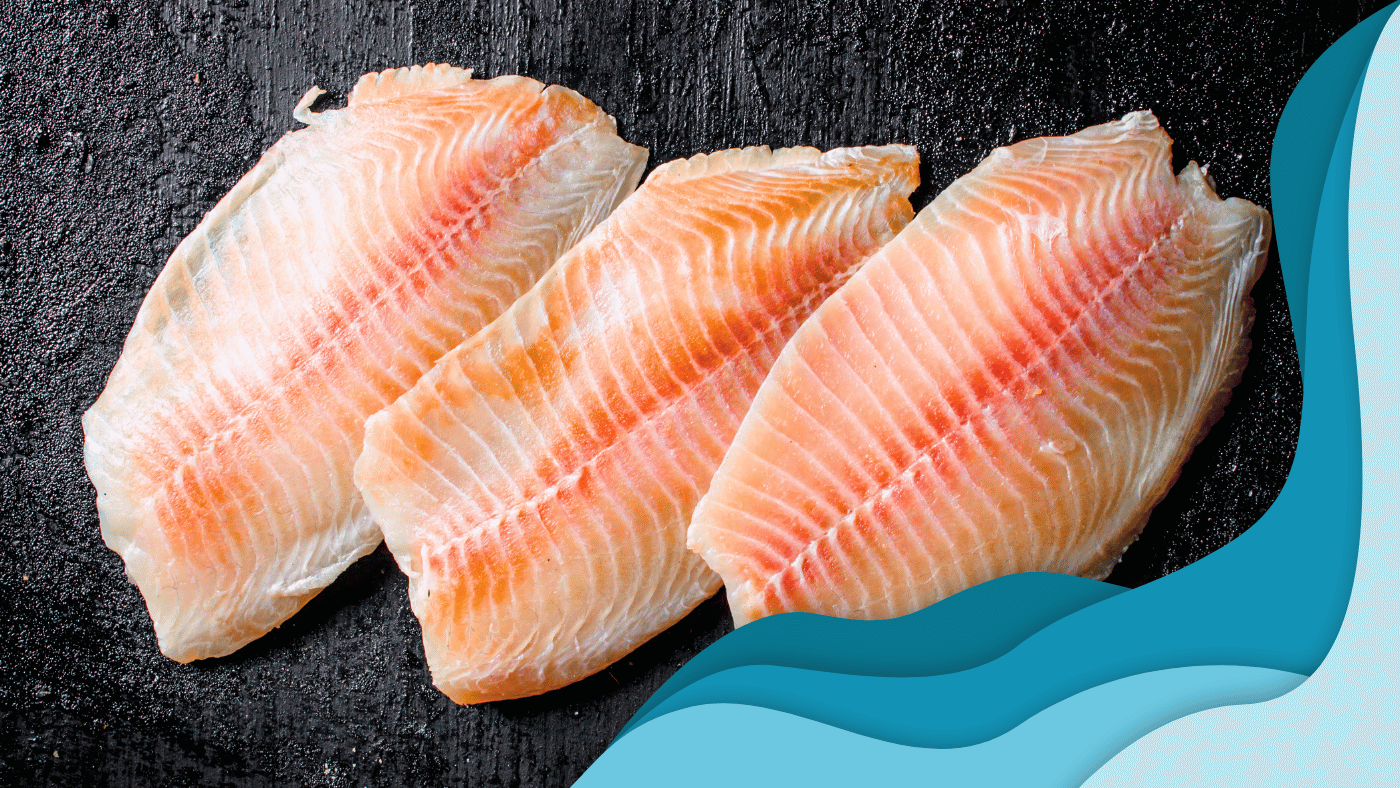
Myth #4: White fish is bland.
White fish—cod, halibut, haddock, rockfish, tilapia—gets an unfair reputation because people cook it without seasoning. But bland food isn’t the fish’s fault. It’s the cook’s timid spice hand.
White fish is actually the ideal culinary canvas. Its mild flavor is what allows citrus, herbs, heat, and smoke to shine. It’s the same reason chefs love it—because it absorbs bold flavors effortlessly.
Think of white fish like a blank page. What you write on it determines how good the story tastes.
What to do instead:
Try white fish tacos loaded with Merman’s Revenge Blackened Seasoning! You’ll never call it bland again.
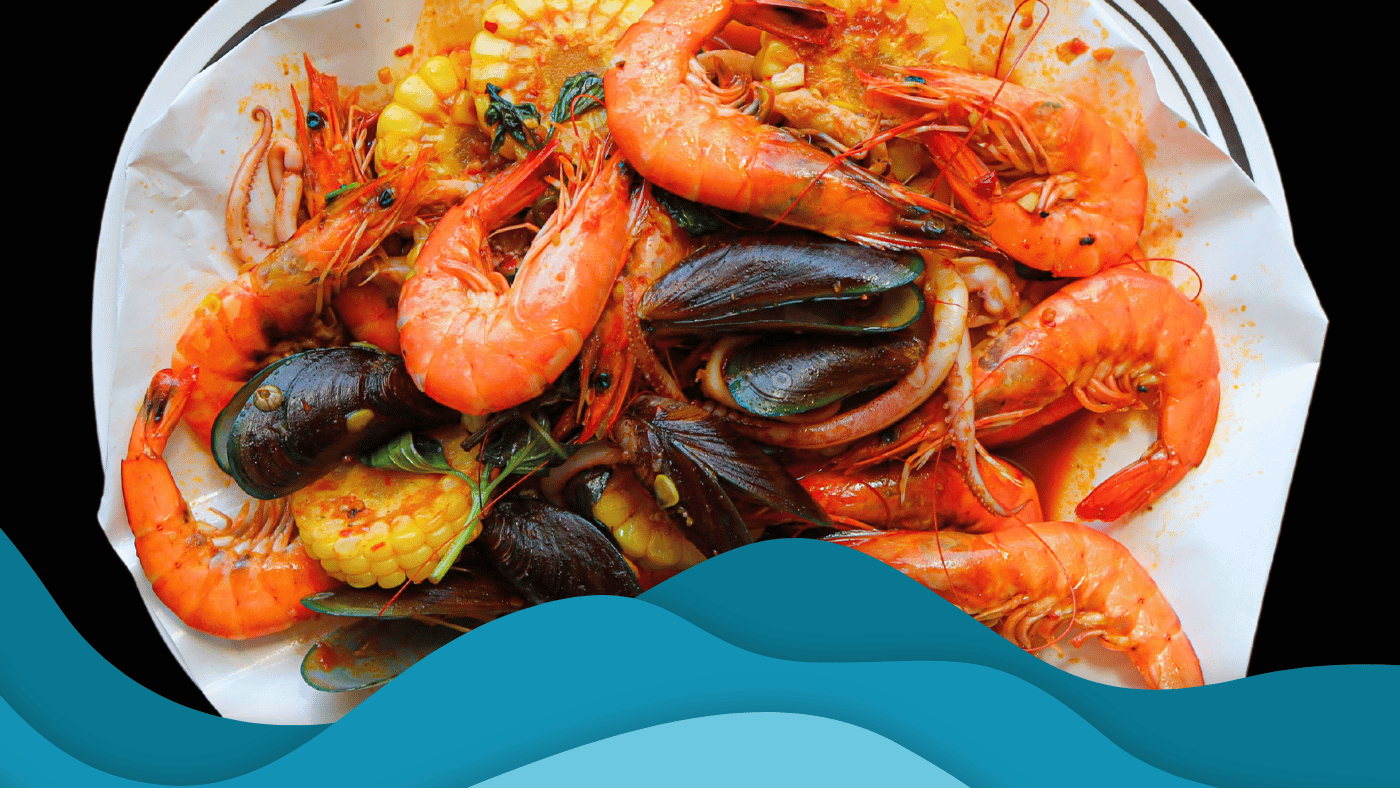
Myth #5: Shellfish is expensive and only for special occasions.
This myth used to be true—but not today.
Shrimp, mussels, and clams are some of the most affordable protein sources available. They’re fast, versatile, nutrient-dense, and require almost no prep. A pound of mussels often costs the same as a head of lettuce, and cooks in four minutes.
Shellfish feels fancy because restaurants present it dramatically, but at home, it’s one of the easiest weeknight meals you can make.
What to do instead:
Create a fun and easy lineup of raw oysters with extra goodies on top in seconds. Or make a 20-minute shrimp linguine with Merman’s Revenge Cajun Style Seasoning and Cajun Style Hot Sauce.
These easy meals don’t take long to throw together and taste like a coastal vacation.
Cooking Seafood Should Feel Empowering, Not Intimidating
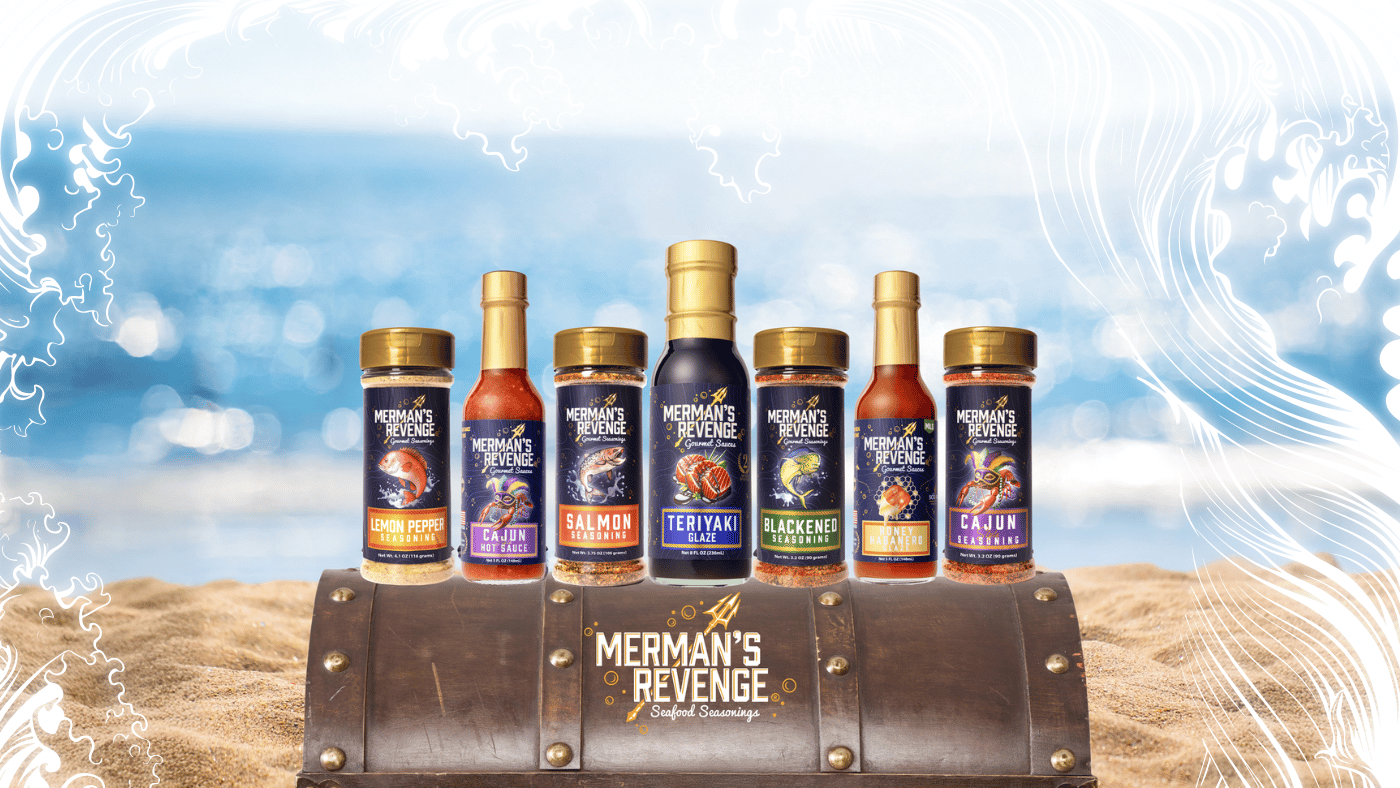
Seafood doesn’t require chef school—just good information and good flavor. Once you shake off the myths and embrace seasonings that elevate the ocean’s natural character, cooking seafood becomes as easy as cooking anything else.
That’s why Merman’s Revenge exists: to help anyone, from beginners to seasoned cooks, turn seafood into a dish worth remembering.
Bold sauces and glazes. Vibrant spice rubs and seasonings. No fear. No fuss. Just flavor—deep, bright, ocean-born flavor that even legends would approve of.
Recipes you may like: